How to wash SANTINY fleece-lined leggings and faux-leather pants without wrecking either
The two pieces on the cold-weather shelf that buyers write to us about after the first wash are the fleece-lined flares and the faux-leather leggings, and they want opposite things. What the care label is legally promising, what heat does to a brushed fleece and to a pleather face, why a faux-leather legging sheds, and a wash routine for each that keeps the water-resistant finish and the matte face where they are.
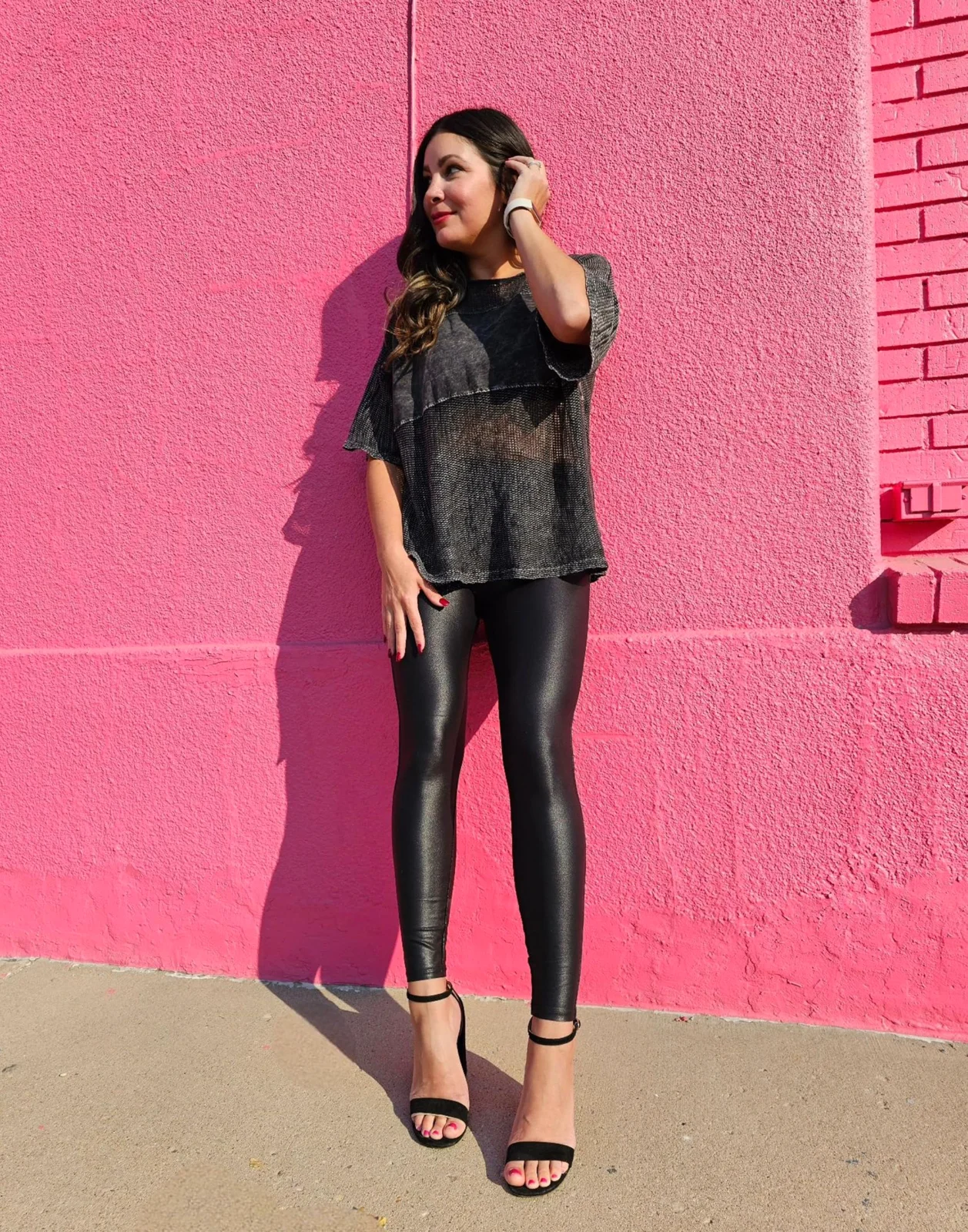
What the care label is legally promising
The label on any garment is more than a suggestion. Under the US Federal Trade Commission Care Labeling Rule, a care label must address five specific items: whether to wash by hand or machine and a water temperature if hot water harms the piece, whether bleach is safe or whether non-chlorine only or no bleach is required, how to dry and at what heat if heat harms the piece, whether the piece needs regular ironing, and a clear warning against any procedure a buyer could reasonably take for safe and that harms the garment. The rule also requires the maker to have a reasonable basis for each instruction, which means there must be reliable evidence supporting what the label says. A separate FTC textile guide requires a label to give fibre content by generic name and percentage by weight in descending order, with fibres under five percent allowed only when they have definite functional significance. Labels must be attached securely and be legible for the useful life of the item. For the SANTINY items discussed here the care labels state cold wash, no bleach, low heat or hang to dry. When label instructions conflict with other guidance, follow the label. Each line on that label has a reason, and the reasons are below.
What heat does to a brushed fleece
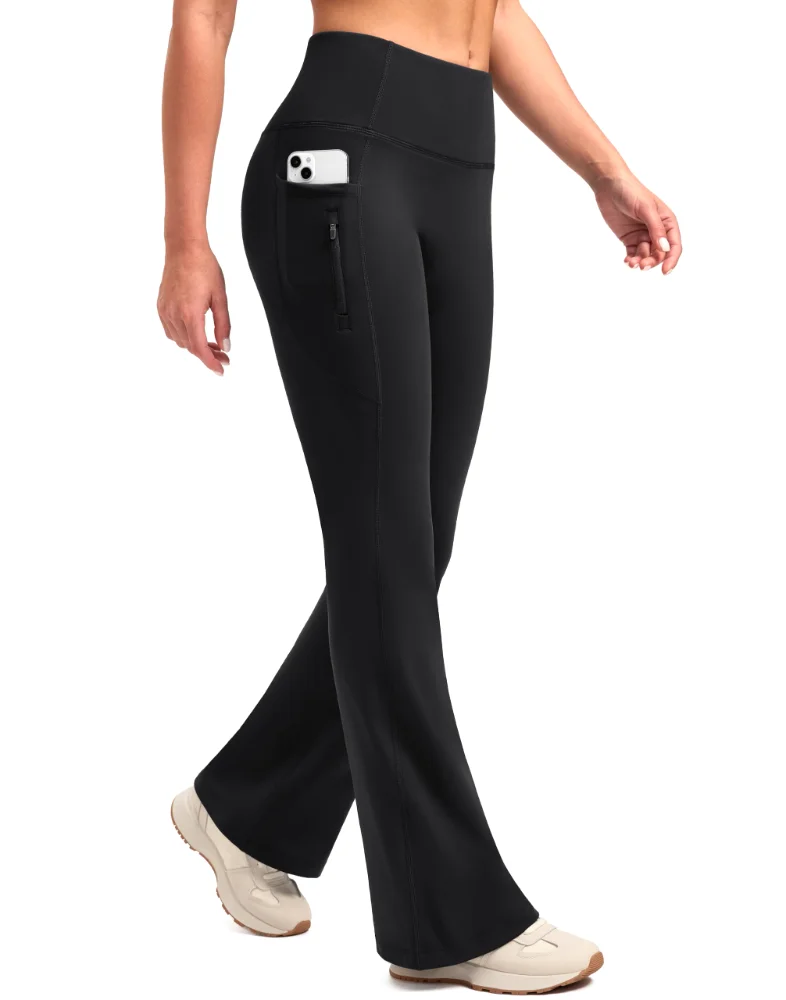
A brushed fleece holds warmth in the tiny, raised pile on the inside of the knit. The pile traps air, which slows heat loss. When heat is applied in washing or drying, the pile can matt down. A matted pile no longer traps as much air and will feel flatter against the skin. Folding a garment while it is wet allows the pile to be crushed and to dry in that compressed state, which also reduces loft. The outside of the fleece-lined flare is treated with a water-resistant finish, a surface layer that sheds water to some degree rather than letting it soak through. Heat and harsh detergents shorten that finish’s life. High washer temperatures, aggressive spin cycles and hot dryer settings accelerate the breakdown of finishes and can roughen the face. For the fleece-lined flares the label’s advice to wash cold, avoid bleach and use low heat or hang to dry reflects these vulnerabilities. Choose cycles, detergents and drying methods with those two things in mind, and accept that normal wear and time change any cloth.
What heat does to a pleather face
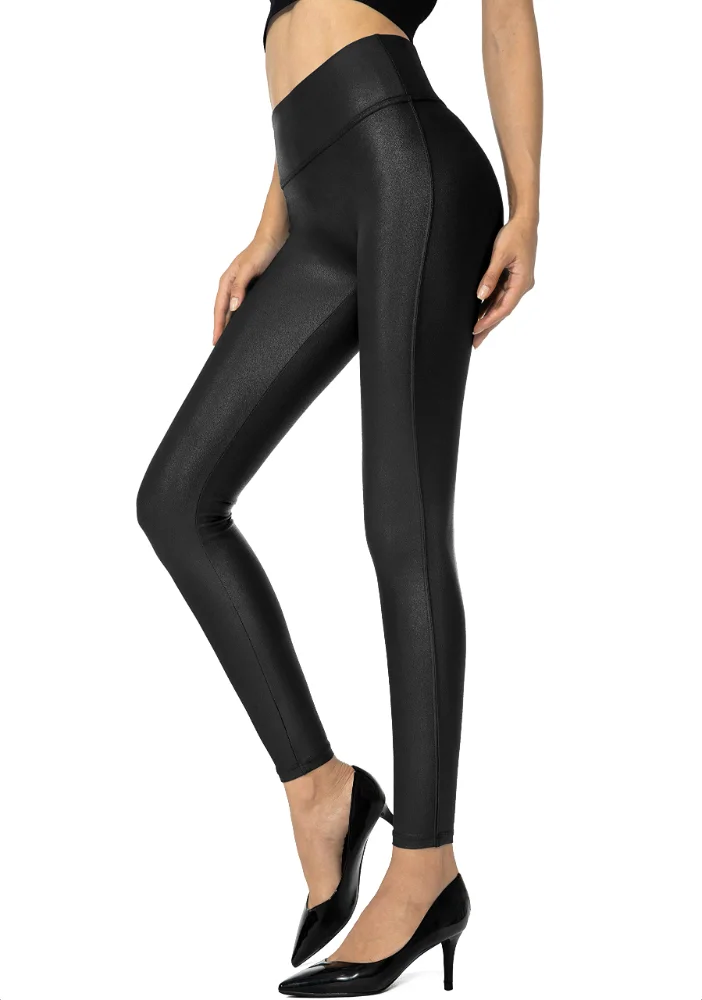
A pleather face is a coating applied to a stretch knit. The coating gives a leather-like look while the knit beneath provides stretch. Coatings respond to heat differently than bare fibres. When exposed to high temperatures a coated surface can crack, wrinkle or begin to peel away from the knit beneath. A tumble dryer concentrates heat and mechanical action, two factors that a care label may single out as harmful. The label warning about the dryer aims to prevent the coating from splitting or separating. Turning a coated garment inside out before it goes into a washing drum reduces direct abrasion of the pleather surface against the drum and against other items. Lower water temperatures reduce the chance of softening the adhesive bond between coating and knit. Strongly alkaline detergents and those with aggressive solvents can weaken coatings over time. Gentle cycles and mild detergents reduce the mechanical and chemical stress on the coating, which is what the label's cold wash and no bleach are for. Follow the label’s drying guidance closely, since heat is the principal threat to the pleather face.
Why a faux-leather legging sheds, and what to do about it
When a coated surface sheds, those loose particles are fragments of the coating that have abraded or separated from the knit. A three-star comment from one buyer reported black flecks on soft furnishings after several washes and wears. That kind of shedding can arise from repeated friction, rough surfaces, or a coating that has been weakened by heat, strong detergents or mechanical abrasion. Washing agitates the fabric and can loosen already weakened fragments. Friction during wear, such as rubbing against upholstery or high-friction seams, will dislodge more material. There is no guaranteed way to stop shedding once coating fragments are loose, but there are steps that reduce further loss. Turn the leggings inside out for washing to keep the pleather face away from the drum and other garments. Use a gentle cycle and cold water, choose a mild detergent and skip bleach and fabric softener, both of which can affect coatings. A laundry bag reduces tumbling abrasion. Remove the leggings promptly at the end of the cycle and hang them to dry, or follow the label’s low-heat option if used. When you wear the leggings, avoid repeated rubbing against rough surfaces and limit prolonged contact with fabrics that attract loose particles. A lint roller will pick up shed flecks, but it does not restore the coating.
A wash routine for the fleece-lined flares
Begin with small preparations that reduce stress on the pile and the water-resistant face. Empty pockets and smooth the fabric so the water-resistant finish is not abraded by small items. Turn the flares inside out to protect the treated face, unless doing so would leave the pile exposed to heavy abrasion, in which case leave them the right way out. Choose a cold-water wash and a gentle cycle to limit heat and mechanical action. Use a mild detergent, measured to the machine size and soil level, and do not add bleach. A moderate spin will remove water without crushing the pile excessively. Remove the flares promptly at the cycle end to prevent creasing while wet. Reshape gently and either hang to dry or tumble dry on low heat if you accept the label’s low-heat option. Avoid folding the garment while damp, and let the pile dry in an open shape so it can recover loft. If you need to smooth the outside, use a low-heat iron through a pressing cloth only where the label permits ironing. The flares come at 28, 28.5, 30, 30.5 and 32 inches, and a longer leg takes longer to dry on a hanger, so give a 32 the extra hour.
A wash routine for the faux-leather leggings
Treat the pleather face as the vulnerable element. Turn the leggings inside out before washing so the coated surface encounters fewer abrasive interactions in the drum. Choose cold water and a gentle or delicate cycle to reduce mechanical stress. A mild detergent is preferable. Avoid bleach and skip fabric softener. If you have fragile hardware or a heavy garment in the same load, use a laundry bag to further reduce rubbing. The label warns about the dryer for coated items, because concentrated heat and tumbling action are what cause coatings to crack, wrinkle or peel. Remove the leggings promptly and hang them to dry whenever possible. If the label allows low heat for drying as an option, use it sparingly and accept that each exposure to heat increases risk. Turning the leggings right-side out once dry will restore the intended appearance of the pleather face. The same routine serves the 25, 27 and 29-inch leggings and the cropped faux-leather pants. It limits abrasion and heat, and it does not stop a coating from ageing with time.
When the label and this page disagree
A garment’s care label is the controlling instruction. The FTC rule requires that labels give specific washing, bleaching, drying, ironing and warning instructions, and that those instructions have a reasonable basis. If you are ever in doubt, follow the garment’s label because it is the governing document for that piece. A quick reference for the pieces here, what the label says, and the one thing to avoid:
| Piece | What the label says | The one thing not to do |
|---|---|---|
| SANTINY fleece-lined flare leggings | Cold wash, no bleach, low heat or hang to dry | Do not use hot water or a hot dryer |
| SANTINY faux-leather leggings | Cold wash, no bleach, low heat or hang to dry | Do not tumble dry |
| SANTINY faux-leather cropped pants | Cold wash, no bleach, low heat or hang to dry | Do not tumble dry |
If the label gives different instructions, follow them. Heat, solvents and abrasion are what a pile, a finish and a coating do not forgive, and every line above comes back to one of the three.
More of this sort of thing is in Shore Notes, the people at SANTINY keeps the whole range one click away on the front page, and the sources behind every sun and label claim are listed on how we update the catalogue.